Around 80 per cent of FTSE 100 and S&P 100 companies have never appointed a woman chief executive, according to the first Women in Work Glass Ceiling Tracker, revealed at the recent Women in Work Summit. And when a male CEO leaves, 9 times out of 10 they are replaced by another man. These are findings that should shake up succession planning broadly, and prompt boards to begin examining the trajectory of women several levels below those on their current succession lists.
At The Circle Partnership, our work focuses on women who have moved beyond learning their profession and are taking responsibility for projects, colleagues and clients. They may already be managing substantial work without having much influence over the decisions that shape their own careers.
It is an easy group to take for granted. A reliable manager keeps a project moving. She solves problems before they reach the director. The immediate incentive can be to keep her doing the work she is good at, particularly when replacing her would be difficult. Meanwhile, the assignments that would prepare her for a powerful, rather than glossy, role go elsewhere. An employer can then reach a point of discussing promotion or filling a senior vacancy and conclude that she lacks the necessary breadth of experience.
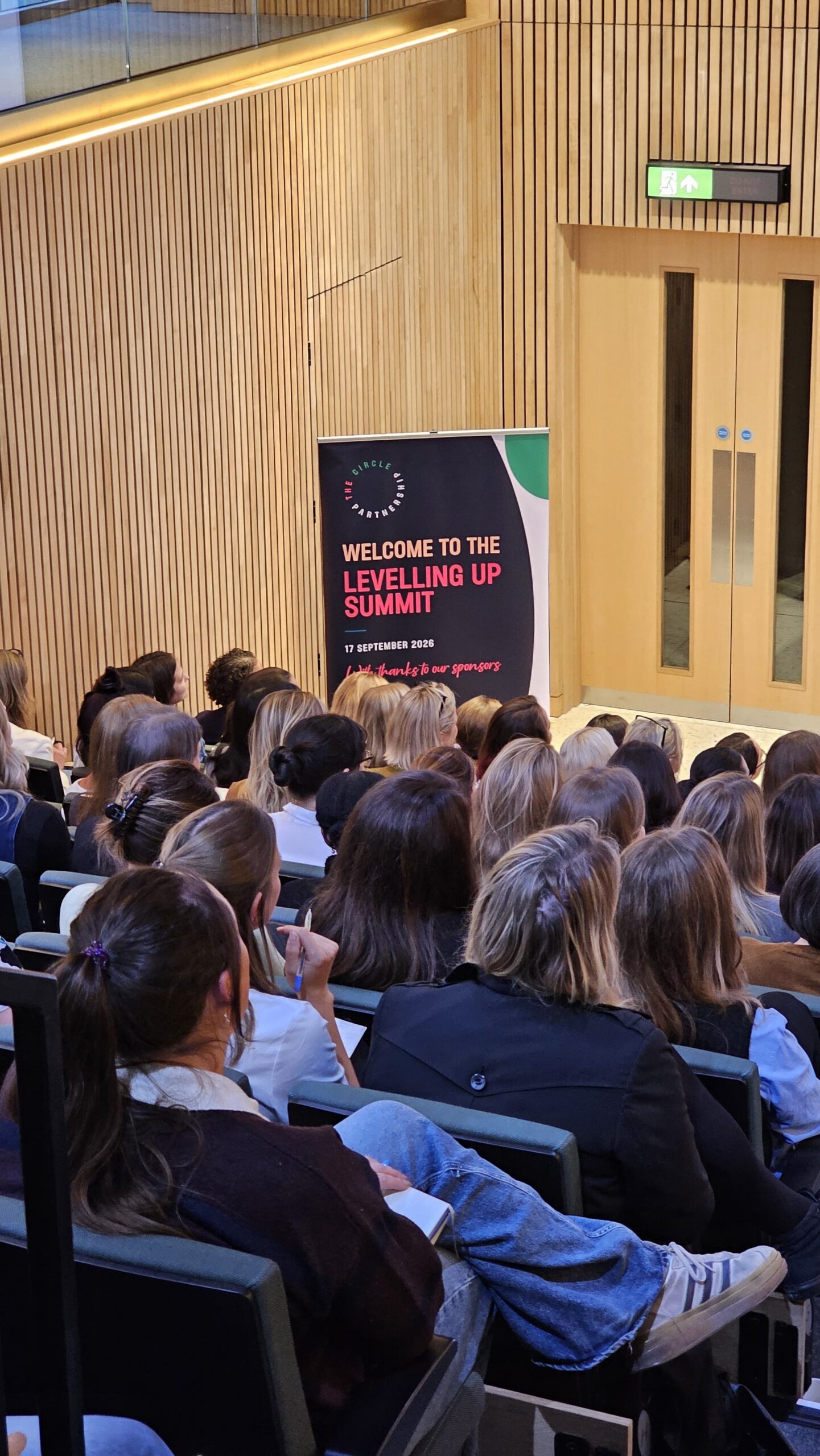
Our Hogan research into the traits of attributes of mid-level women showed a propensity to not want to stand out; to prefer to influence from behind the scenes; to struggle to advocate for themselves; and to shy away from appearing demanding or ‘bossy’. The unintended consequence of this – as was highlighted by both Katy Dowding, CEO of Skanska and Ruth Bailey, Deputy COO of WSP at our recent Levelling Up event – is that employers may be unclear about what their female talent actually want from their career.
A serious succession plan should extend beyond the next appointment long before vacancies arise.
- Who is getting experience of commercial decisions?
- Who is being introduced to influential clients?
- Who receives useful feedback about what a senior role requires, and a realistic chance to acquire it?
Those questions concern the way a business allocates work every day.
A future chief executive may currently be running a project, managing a client relationship or considering an offer from another business. Whether she stays, and what she is trusted to do next, is what you need to be discussing in your succession planning today.